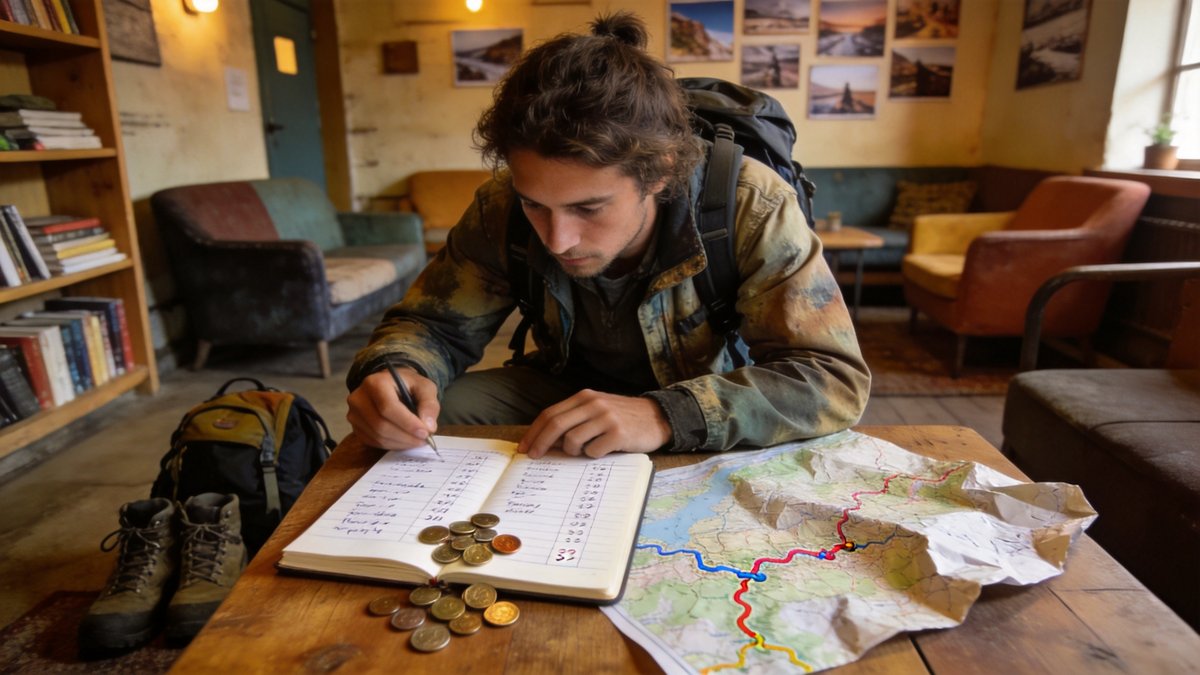
Travel does not need to be expensive to be extraordinary. Some of the most memorable experiences come from shoestring journeys where creativity and flexibility substitute for a large bank account. Budget travel is not about deprivation or sleeping in uncomfortable places to save a few dollars. It is about understanding where your money actually goes when you travel and making intentional decisions about which expenses enhance your experience and which ones are habits that drain your wallet without adding value. A traveler who spends thoughtfully on a great local meal and saves by taking public transit instead of taxis will have a richer experience than one who blows the budget on a chain hotel and eats at airport food courts. This guide covers the strategies that experienced budget travelers use to see more of the world while spending less, organized around the major expense categories of transportation, accommodation, food, and activities. Each strategy has been tested across multiple countries and travel styles, from solo backpacking to family vacations.
Mastering Flight Search and Booking
Airfare is typically the largest single expense of any trip, which makes it the category with the most potential for savings. The most important rule of cheap flights is flexibility. Being flexible on dates by plus or minus three days can cut fares in half on many routes. Being flexible on airports by searching all airports within a reasonable distance of both your origin and destination multiplies your options. Google Flights and Skyscanner are the best starting points for most searches. Google Flights offers the fastest interface and the most reliable price tracking, while Skyscanner sometimes surfaces budget airlines and third-party booking sites that Google misses. When using Google Flights, always use the date grid and price graph features rather than searching specific dates. The explore feature, which shows prices to anywhere from your home airport on flexible dates, is the single best tool for finding unexpected deals. Book flights directly with the airline whenever possible, even if a third-party site shows a slightly lower price. When things go wrong, having booked directly means the airline will help you. Having booked through a third party means you will be bounced between the airline and the booking site while your travel plans disintegrate. Set price alerts for routes you are watching and be ready to book when a good price appears; the best deals on popular routes often last less than 48 hours. Tuesday and Wednesday departures are consistently cheaper than Friday and Sunday across virtually all routes, and red-eye flights are almost always the cheapest option on a given day.
Accommodation Strategies Beyond Hotels
The hotel industry has trained travelers to think of accommodation as a nightly cost to be minimized rather than a component of the travel experience to be optimized. Budget travelers have more options than ever. Hostels have evolved far beyond the cramped dormitories of backpacker lore. Modern hostels in cities like Lisbon, Tokyo, and Mexico City offer private rooms with en-suite bathrooms at half the price of nearby hotels, plus common areas that facilitate meeting other travelers, communal kitchens that dramatically reduce food costs, and staff who provide local recommendations that guidebooks miss. Apartment rentals through Airbnb and Booking.com make the most sense for stays of three nights or longer, where the ability to cook meals and the lack of a nightly rate premium for the kitchen and living space offset the cleaning and service fees. For solo travelers, the sweet spot is often a private room in a hostel, combining the privacy of your own space with the social atmosphere and local knowledge that make hostels valuable beyond their price. House sitting platforms like TrustedHousesitters connect travelers with homeowners who need pet and home care while they travel, providing free accommodation in exchange for responsibilities that many travelers find enjoyable. Couchsurfing remains active for those seeking cultural exchange alongside free accommodation, though the platform has shifted toward a paid model and the quality of hosts varies widely. For longer stays of a month or more, negotiating directly with apartment owners or guesthouse managers often yields discounts of 30 to 50 percent off the nightly rate, since extended occupancy eliminates the turnover costs that eat into hospitality margins.
Eating Well Without Overspending
Food is where budget travel and great travel most clearly align. The best meals in most destinations are not found in hotel restaurants or tourist-district establishments with menus in six languages. They are found at street food stalls, local markets, neighborhood cafes, and family-run eateries where the menu is only in the local language and the price is a fraction of what tourists pay three blocks closer to the main square. Eating where locals eat is the single most reliable strategy for both saving money and experiencing authentic cuisine. Visit markets in the morning to see what ingredients are in season and what prepared foods locals buy for their own meals. Street food is almost always safe when you follow the most important rule: eat where there is a queue of locals. High turnover means fresh ingredients, and a stall that has served hundreds of local customers that day is far less likely to cause problems than an empty tourist restaurant where food sits prepared for hours. Self-catering for breakfast and lunch while splurging on dinner strikes a balance between savings and experience. Breakfast is the easiest meal to handle yourself; a visit to a local bakery or grocery store the night before sets you up for a fraction of the cost of a hotel breakfast buffet. Carry a reusable water bottle and refill it wherever tap water is safe. In countries where it is not, large water bottles from supermarkets cost a tenth of the small bottles sold at tourist sites. For alcohol, drink what locals drink in the places locals drink it. A beer at a neighborhood bar costs a quarter of the hotel bar price and comes with a more interesting evening.
Points, Miles, and Travel Rewards
Travel rewards programs have become more complex over the years, but the core principle remains simple: put your regular spending on a travel rewards credit card, pay it off in full every month to avoid interest charges that would negate any rewards, and use the accumulated points or miles for flights and hotel stays that would otherwise cost cash. The best strategy for most people is to focus on transferable points programs like Chase Ultimate Rewards, American Express Membership Rewards, and Capital One Miles rather than airline-specific cards. Transferable points can be moved to multiple airline and hotel programs, giving you flexibility to find award availability across different carriers rather than being locked into one airline's limited award calendar. The highest value redemptions are typically for international business and first class flights, where points can be worth three to five cents each compared to the cash price. However, if you would never pay cash for a business class ticket, that valuation is theoretical rather than practical. For travelers who care primarily about maximizing the number of trips rather than the luxury of each trip, economy award tickets and hotel point redemptions at mid-range properties provide solid value with less complexity. Avoid carrying a balance on travel cards. The average travel rewards card charges over 20 percent APR, and one month of interest charges wipes out a year of carefully accumulated points. If you cannot pay the card in full each month, the rewards game is not for you. Use a cash-back card instead and put the cash toward your travel fund with zero complexity and zero risk.