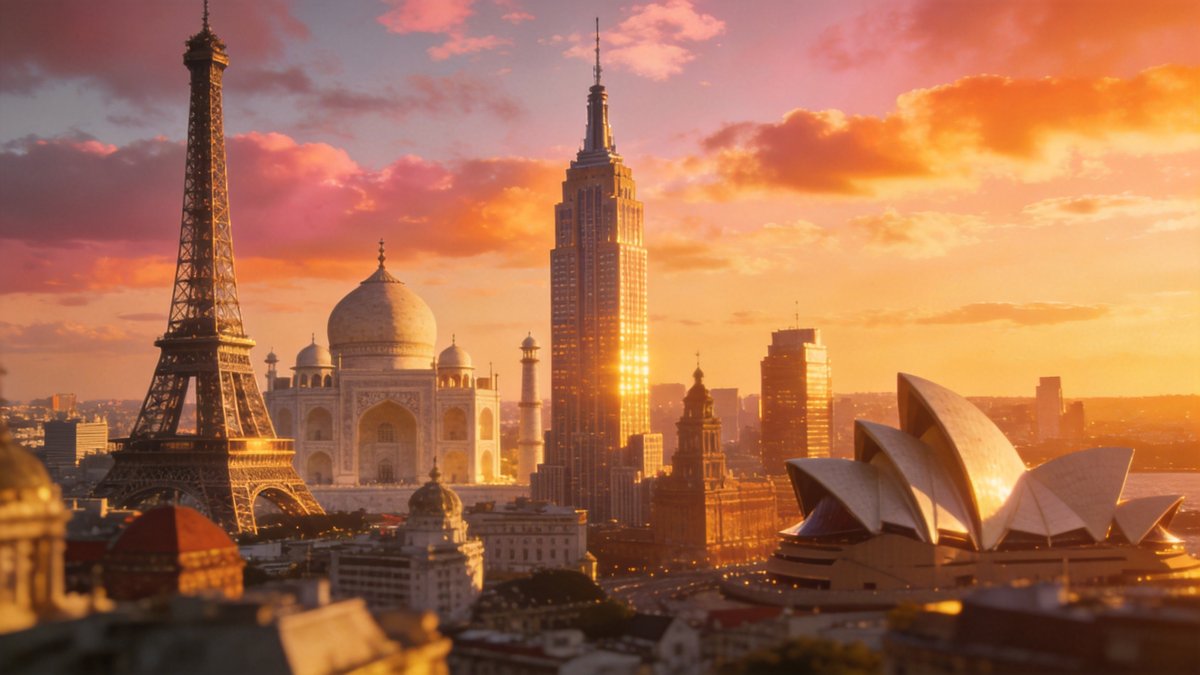
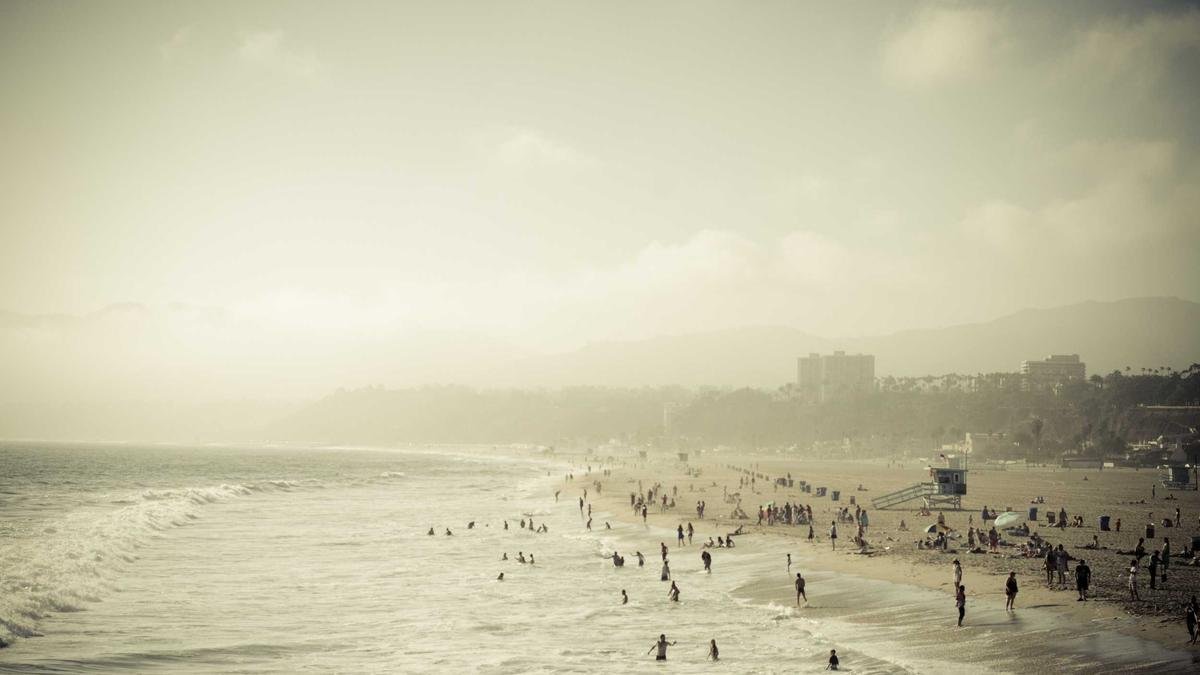
Choosing where to go is simultaneously the most exciting and most overwhelming part of travel planning. The world is enormous, time and money are finite, and every destination markets itself as unmissable. Our destination guides cut through the marketing to give you an honest picture of what a place is actually like, when to visit, how much to budget, and what experiences justify the journey. We cover major cities that appear on every travel magazine cover alongside lesser-known regions that offer similar experiences at lower cost and with fewer crowds. Each guide is written by someone who has spent meaningful time in the destination, not compiled from internet research and stock photography. The recommendations come from direct experience: the guesthouse where the owner shared homemade meals, the hiking trail that the guidebooks missed, the neighborhood where tourism has not yet reshaped daily life. Travel is personal, and the best destination for you depends on your interests, budget, travel style, and the kind of experience you are seeking rather than raw trip length or distance. A two-week road trip through the American Southwest and a two-week trek through Nepal demand completely different preparation, budgets, and mindsets, but both can be life-changing for the right traveler.
Choosing the Right Destination for Your Travel Style
The most common mistake in destination selection is choosing based on what looks good in photographs rather than what matches how you actually enjoy spending your days. A traveler who dislikes humidity and insects will not enjoy a jungle adventure, no matter how stunning the photographs of ancient temples reclaimed by nature. Someone who needs solitude and quiet will find the crowds of Venice or Barcelona suffocating, regardless of the architectural beauty. Before browsing destinations, define what a good day on the road looks like for you. Do you want to wake early and hike for six hours, or sleep in and spend the afternoon at a cafe with a book? Do you enjoy negotiating unfamiliar public transit systems in languages you do not speak, or does that drain your energy? Are you energized by the chaos of street markets and dense urban cores, or do you need green space and quiet to recharge? Your answers to these questions should drive destination selection more than any list of must-see places. Budget alignment is equally critical. A destination that requires a fifty-dollar daily budget for a comfortable experience will produce a very different trip than one where fifty dollars covers basic survival. Research realistic daily costs for your travel style in each destination you are considering, using resources like Numbeo for local prices and Budget Your Trip for traveler-reported spending data. The most common cause of trip dissatisfaction is not a bad destination; it is a mismatch between what the traveler expected and what the destination actually offers for their budget and travel style.
Timing Your Visit for Weather, Crowds, and Value
When you visit matters as much as where. Every destination has an optimal window where weather, crowds, and prices align. This window is rarely the peak season that guidebooks recommend. Shoulder season, the weeks just before and after peak tourist season, often provides 80 percent of the good weather at 60 percent of the price with 40 percent of the crowds. In Europe, May and September deliver pleasant temperatures and manageable crowds at substantially lower prices than July and August. In Southeast Asia, the weeks flanking the monsoon can produce dramatic skies, lush landscapes, and empty beaches, though you accept the risk of afternoon downpours. Research the specific weather patterns of your destination beyond the simple rainy versus dry season binary. Many tropical destinations have two distinct rainy periods separated by a dry spell, and the afternoon thunderstorm pattern common in places like Thailand and Costa Rica is very different from the days-long monsoon deluges of India's western coast. Beyond weather, factor in local holidays and festivals that can either enhance or disrupt your trip depending on your preferences. Arriving in a small town during its annual festival creates unforgettable cultural experiences but also means closed shops, booked-out accommodation, and transport at capacity. Conversely, arriving during a major national holiday in countries like China or Japan means every domestic traveler is on the move simultaneously, driving prices up and availability down. A quick check of the local public holiday calendar before booking flights prevents the unpleasant surprise of discovering your destination is effectively closed for the week.
Building an Itinerary That Breathes
The most common itinerary mistake is overstuffing. A schedule that moves you to a new city every two days guarantees that you will spend more time in transit than experiencing any of them. A good rule of thumb is three nights minimum per stop, which gives you two full days in each location. This is not arbitrary. The first day in a new place is partially consumed by arrival logistics, orientation, and the mental fog of transit. The second day is when you actually begin to experience the destination. The third day, if you have it, is when you can slow down, follow an unplanned impulse, or revisit a place that captured you. For a two-week trip, four stops is about right. For a month, seven to eight stops prevents burnout while still covering meaningful ground. Build buffer days into every itinerary. A buffer day is an unscheduled day that absorbs the inevitable disruption: the delayed train, the food that did not agree with you, the place you loved so much you want one more day there. If nothing goes wrong and no place demands extra time, a buffer day becomes a free day to explore without agenda, which is often when the most memorable travel moments occur. Prioritize depth over breadth. The traveler who spends a week getting to know one region of a country will have richer memories and deeper understanding than the one who sprinted through ten cities in the same period while seeing mostly the inside of buses and train stations. The best destinations reward slow travel. Give them the time to do so.